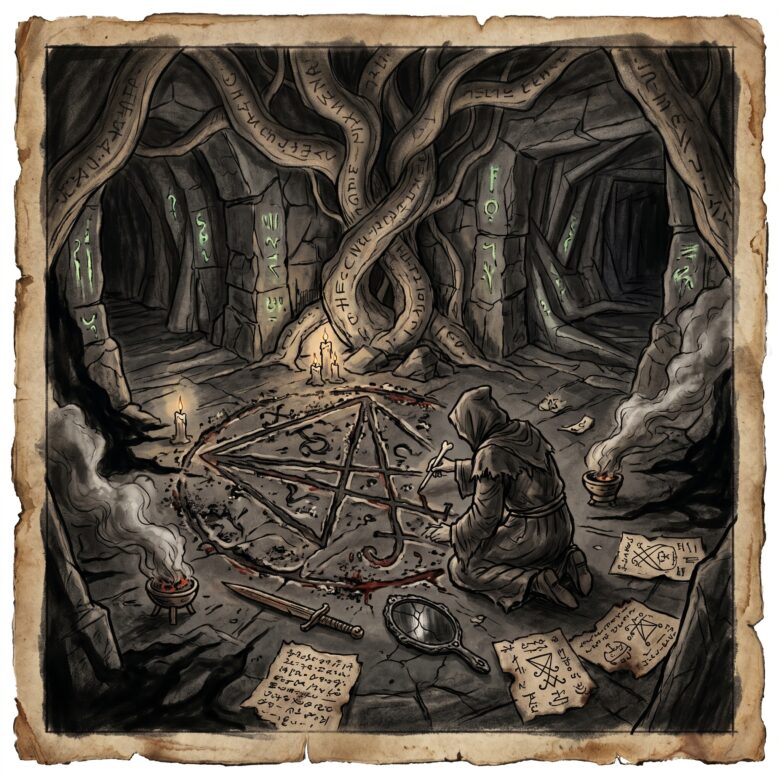
Overview of Belial and This Self-Initiation This ritual is a self-initiation under the patronage of Belial. You are not receiving initiation from a teacher, a lineage, or an institution. You are presenting yourself to Belial—a spirit with roots in ancient Sumerian, Akkadian, and Babylonian demonology—and asking Belial to sponsor your crossing into a new mode …
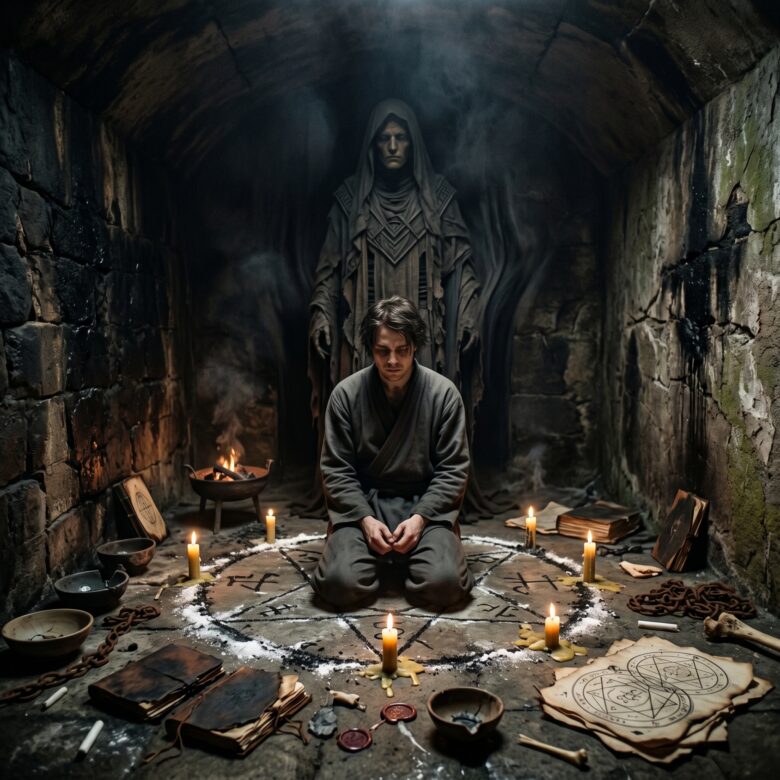
Sigil charging is the most effective magical technology I have ever used. I have had more impact on my physical existence and lifestyle through sigil charging than through any other type of magical practice. No elaborate ritual system, no complex evocation, no months of devotional practice has shifted my material circumstances the way a properly …
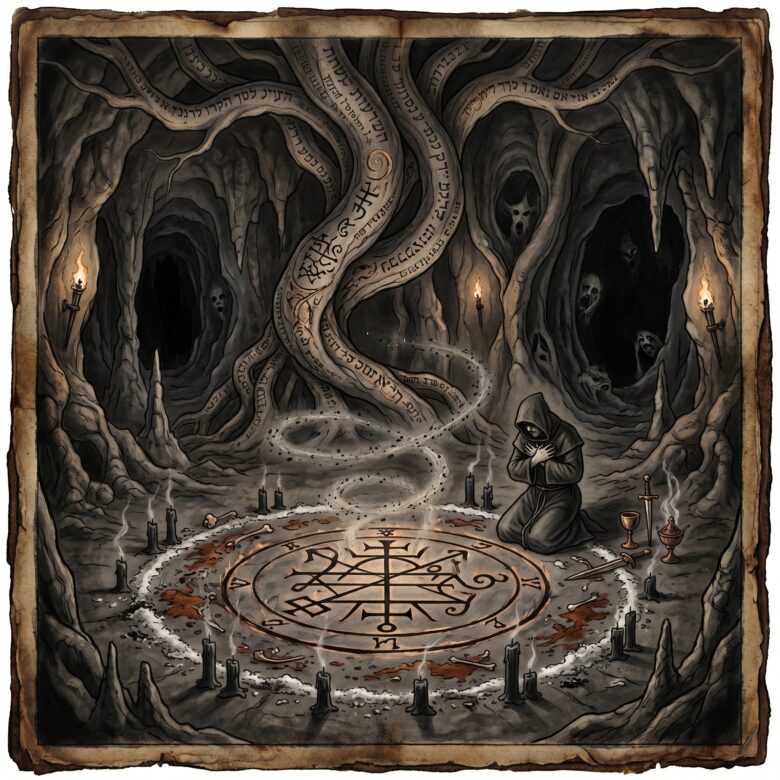
Overview of the Qliphothic Sigil Working The Qliphothic Sigil Working is a method of sigil charging that uses the abyssal current of Chavajoth beneath the Tree of Death—the formless potential of the sitra achra—as the activation source for Qliphothic sigil magic. Unlike standard chaos magic sigil charging (which uses gnostic states, sexual energy, or blood), this …
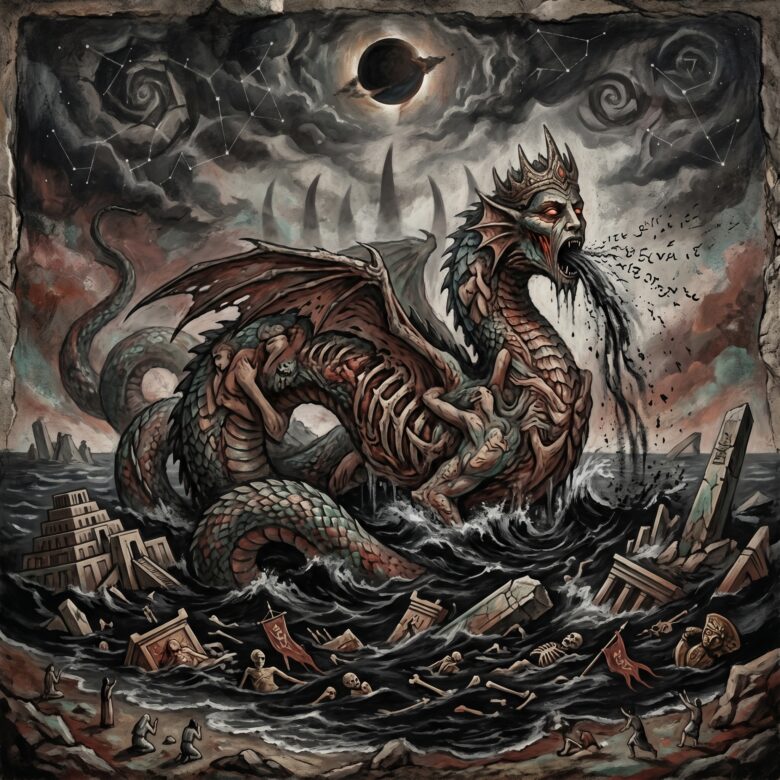
The Apocalypse of Tiamat: Initiatory Unveiling of the Primordial Dragon
The Apocalypse of Tiamat is an initiatory ritual of destruction-as-unveiling. It is not an apocalypse in the Christian sense—no end of the world, no final judgment, no salvation of the righteous. The word apocalypse means “unveiling” or “lifting the veil.” The ritual strips away the layers of order that obscure the primordial chaos beneath, revealing Tiamat—the salt …
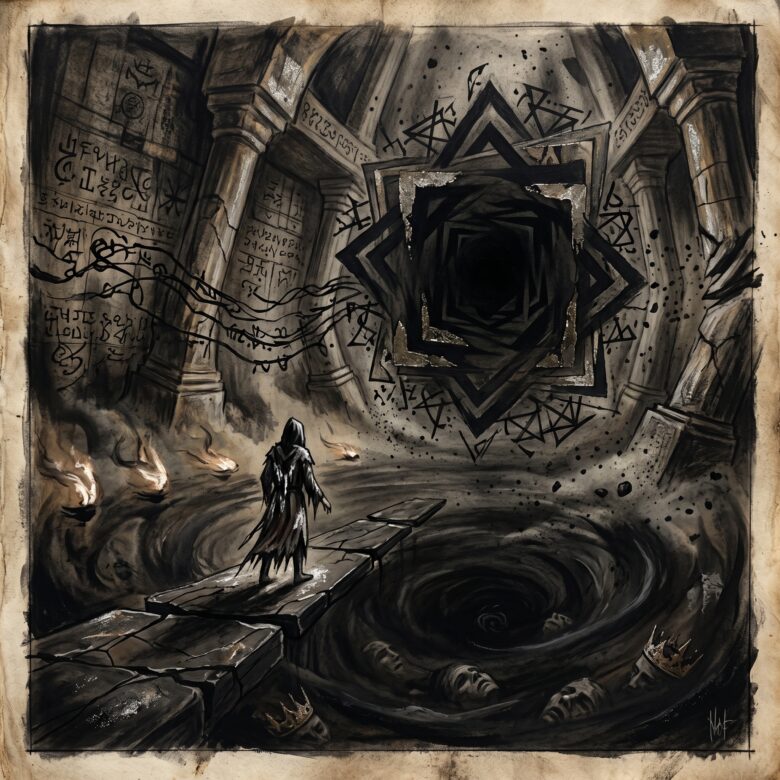
The Void of Chavajoth: Initiatory Crossing of the Qliphothic Abyss
Overview The Void of Chavajoth is an initiatory ritual of pure dissolution. It is not a crossing in the Crowleyan sense—no angel, no guardian, no magical formulas, no divine names. It is a meditative descent into the place before form. The ritual draws from PGM-style invocation (direct voces magicae, rhythmic repetition, and confrontation with the …
Invocation of the Four Queens: Opening Ritual for the Qliphothic Portal
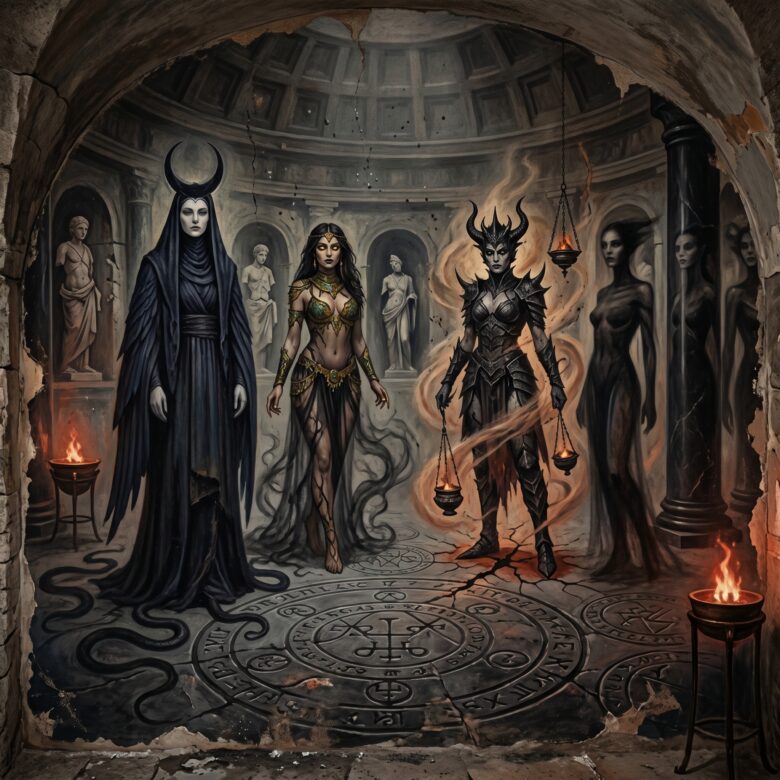
Overview Overview This ritual invokes the Four Queens of Demons—Lilith, Naamah, Agrat bat Mahlat, and Eisheth Zenunim—for the purpose of consecrating a working space and opening a portal to the sitra achra (the “other side”). It draws from Goetic hierarchy (the Four Queens as rulers of legions), PGM-style invocation (direct voces magicae, rhythmic repetition, and forceful calling), …